
A healthy and confident smile plays an important role in overall well being. When teeth become damaged, weakened, or cosmetically compromised, dental crowns are often one of the most effective restorative solutions available. Patients considering Dental Crowns Scottsdale services often want clear information about the procedure, benefits, materials, costs, and long term expectations.
This comprehensive guide explains everything individuals should understand before choosing dental crowns, helping them make informed decisions about their oral health.
What Are Dental Crowns
Definition and Purpose
A dental crown is a custom made restoration that completely covers the visible portion of a tooth above the gum line. It is designed to restore strength, function, size, and appearance to a tooth that has been damaged or weakened.
Dental Crowns Scottsdale treatments are commonly recommended when a tooth cannot be repaired effectively with a filling but does not require extraction. The crown acts as a protective shell that reinforces the tooth while maintaining a natural look.
Why Crowns Are Necessary
Crowns serve both restorative and cosmetic purposes. They are typically used when:
A tooth has a large cavity that weakens its structure
A tooth has cracked or fractured
A root canal treatment has left the tooth brittle
A dental implant requires a restoration
A tooth is severely worn down
A patient wants to improve the appearance of a misshapen or discolored tooth
By fully encasing the damaged tooth, the crown protects it from further deterioration and restores normal function.
Types of Dental Crowns Available in Scottsdale
Porcelain Crowns
Porcelain crowns are popular for their natural appearance. They closely mimic the translucency and color of natural teeth, making them ideal for front teeth or visible areas of the mouth.
Patients seeking Dental Crowns Scottsdale options for cosmetic enhancement often choose porcelain because it blends seamlessly with surrounding teeth.
Ceramic Crowns
Ceramic crowns are similar to porcelain in appearance but are often chosen for their durability and metal free composition. They are a suitable choice for individuals with metal sensitivities.
Ceramic materials provide excellent strength while maintaining aesthetic appeal.
Porcelain Fused to Metal Crowns
Porcelain fused to metal crowns combine strength and appearance. The metal interior provides structural support, while the outer porcelain layer offers a natural look.
Although durable, some patients prefer metal free options due to potential visibility of the metal margin over time.
Zirconia Crowns
Zirconia crowns are known for exceptional strength and longevity. They are resistant to fractures and suitable for molars that endure heavy chewing forces.
Advancements in technology have improved the aesthetic qualities of zirconia, making it both strong and attractive.
Gold Crowns
Gold crowns are highly durable and biocompatible. While they are less commonly chosen for visible areas due to their metallic color, they remain a reliable option for back teeth.
The Dental Crown Procedure
Initial Examination and Consultation
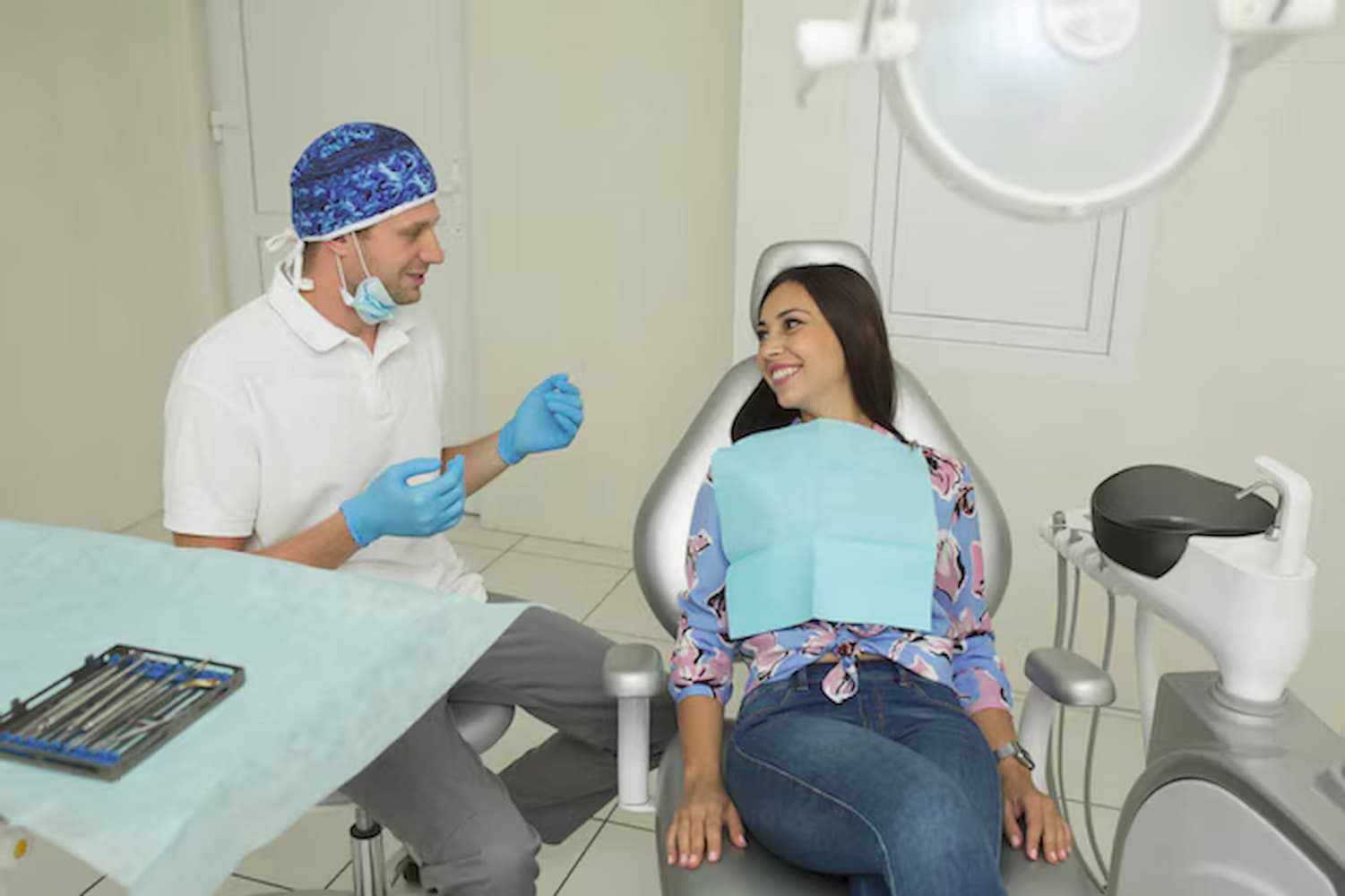
The process begins with a comprehensive examination. The dentist evaluates the condition of the tooth and determines whether a crown is the best treatment option.
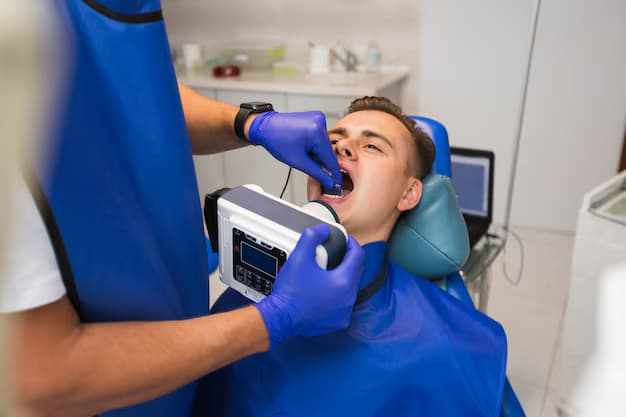
X rays may be taken to assess the underlying structure and root health. A personalized treatment plan is then developed.
Tooth Preparation
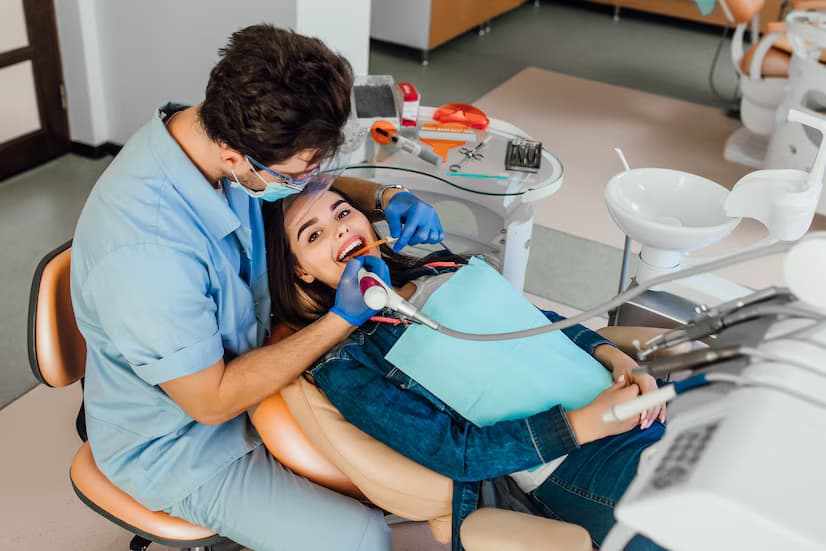
During the preparation stage, the tooth is reshaped to create space for the crown. Any decay or weakened areas are removed. If necessary, a core build up may be placed to provide additional support.
Proper preparation ensures a secure and stable fit.
Impressions and Custom Design
After preparation, impressions of the tooth are taken. These impressions are sent to a dental laboratory where the custom crown is fabricated. In some cases, digital scanning technology is used to create highly precise 3D models.
While the permanent crown is being made, a temporary crown is placed to protect the tooth.
Placement of the Permanent Crown
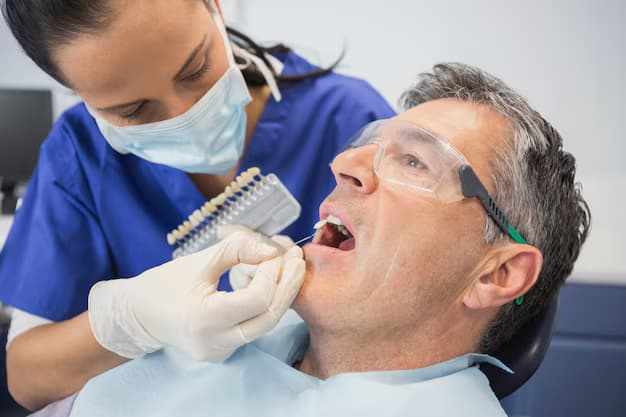
Once the custom crown is ready, the patient returns for placement. The dentist checks the fit, color, and bite alignment before permanently bonding the crown to the tooth.
Adjustments are made if necessary to ensure comfort and proper function.
Benefits of Dental Crowns Scottsdale
Restored Strength and Function
One of the primary advantages of Dental Crowns Scottsdale treatments is the restoration of chewing and biting ability. A weakened tooth regains structural integrity, allowing patients to eat comfortably.
Enhanced Appearance
Crowns can dramatically improve the appearance of damaged or discolored teeth. They are carefully designed to match the shape and shade of natural teeth, resulting in a harmonious smile.
Long Lasting Solution
With proper care, dental crowns can last many years. High quality materials and precise fabrication contribute to durability and reliability.
Protection Against Further Damage
By covering the entire tooth surface, crowns protect against additional decay, fractures, and wear.
How Long Do Dental Crowns Last
The lifespan of a crown depends on several factors, including material choice, oral hygiene habits, and lifestyle behaviors. On average, crowns can last between ten and fifteen years, though many last longer with proper maintenance.
Regular brushing, flossing, and routine dental checkups are essential to extending the life of the restoration.
Patients who grind their teeth may be advised to wear a nightguard to prevent excessive pressure on the crown.
Cost Considerations for Dental Crowns Scottsdale
The cost of dental crowns can vary based on:
Type of material used
Complexity of the case
Need for additional procedures such as root canal therapy
Insurance coverage
Many dental insurance plans partially cover crowns when they are medically necessary. Patients are encouraged to discuss financial options and insurance benefits during consultation.
While crowns may represent a significant investment, their durability and protective benefits often make them cost effective over time.
Are Dental Crowns the Right Choice
Candidates for Crowns
Individuals who have severely damaged, decayed, or weakened teeth are often strong candidates for crowns. Those seeking cosmetic improvement may also benefit.
However, if the tooth is too severely compromised, extraction and replacement options such as dental implants may be recommended instead.
Alternatives to Crowns
Depending on the situation, alternatives may include:
Dental fillings for minor cavities
Onlays or inlays for moderate damage
Veneers for cosmetic concerns limited to the front surface
A thorough evaluation helps determine the most appropriate treatment.
Caring for Dental Crowns
Maintain Daily Oral Hygiene
Brushing twice daily with fluoride toothpaste and flossing once daily helps prevent decay around the crown margins. Good hygiene supports both the crown and surrounding gum tissue.
Schedule Routine Checkups
Regular dental visits allow professionals to monitor the integrity of the crown and address any concerns early.
Avoid Harmful Habits
Chewing ice, biting fingernails, or using teeth to open packaging can damage crowns. Avoiding these habits reduces the risk of fractures.
Address Teeth Grinding
Patients who clench or grind their teeth should discuss protective solutions. Nightguards can prevent excessive wear and extend the lifespan of restorations.
Modern Advances in Dental Crowns Scottsdale
Advancements in digital technology have improved precision and patient comfort. Digital impressions eliminate the need for traditional putty molds. Computer aided design allows for highly accurate customization.
Some practices also offer same day crown solutions using in office milling systems, reducing treatment time.
These innovations enhance patient experience while maintaining high standards of quality and durability.
Common Questions About Dental Crowns
Is the Procedure Painful
The procedure is typically performed under local anesthesia, ensuring patient comfort. Mild sensitivity may occur after placement but usually resolves quickly.
Will the Crown Look Natural
Modern materials are designed to closely resemble natural teeth. Proper shade matching ensures a seamless appearance.
Can a Crown Fall Off
Although uncommon, crowns can loosen due to cement failure or underlying decay. Prompt dental attention can resolve the issue effectively.
Can Crowns Be Replaced
Yes, crowns can be replaced if they become worn, damaged, or if decay develops beneath them.
Conclusion
Dental Crowns Scottsdale services provide a reliable and effective solution for restoring damaged or weakened teeth. From enhancing appearance to strengthening compromised structures, crowns play a vital role in maintaining oral health and confidence.
Understanding the types of crowns available, the procedure involved, and the benefits they offer empowers patients to make informed decisions. With proper care and regular dental visits, crowns can provide long lasting protection and functionality.
For those seeking trusted and comprehensive care, Precious Smiles offers professional solutions tailored to support healthy and beautiful smiles for years to come.



Write a comment ...